Understanding Wagyu: How Canadian, Australian, and Japanese Wagyu Compare

Wagyu is one of the most recognizable names in premium beef, but it is also one of the most misunderstood. While many consumers associate Wagyu with the intensely marbled beef served in high-end Japanese restaurants, Wagyu is now raised in several countries, including Canada and Australia.
The result is a range of products that share similar genetics but can differ significantly in grading, marbling, flavour, and overall eating experience.
What Wagyu Actually Means
"Wagyu" translates to "Japanese cattle" and traditionally refers to specific cattle breeds originating in Japan. These breeds are known for their ability to develop extensive intramuscular fat, creating the marbling that Wagyu is famous for.
Today, Wagyu genetics are raised around the world. In countries such as Canada and Australia, producers often raise either Fullblood Wagyu or cross Wagyu cattle with breeds like Angus to create a balance of marbling, flavour, and practicality.
That means not all Wagyu is the same, even when the label says "Wagyu."
How Japanese Wagyu Is Graded
Japan uses one of the most detailed beef grading systems in the world.
The famous A5 designation is not simply a marbling score. It combines two measurements:
- A yield grade (A, B, or C)
- A quality grade (1 through 5)
To achieve A5 status, beef must receive both the highest yield grade and the highest quality grade.
Japanese graders also evaluate marbling using a separate system called BMS, or Beef Marbling Score.
What Is BMS and Why Does It Matter?
The Beef Marbling Score measures the amount of intramuscular fat within the meat. The scale runs from 1 to 12, with higher numbers indicating more marbling.
As a general guide:
- BMS 3-4: Comparable to high-quality conventional beef
- BMS 5-6: Noticeably richer marbling while maintaining a traditional steak experience
- BMS 7-8: Premium Wagyu territory, balancing tenderness, flavour, and richness
- BMS 9-12: Extremely high marbling, commonly associated with top-tier Japanese Wagyu
One common misconception is that higher is always better. While a BMS 12 steak is exceptionally rich, many consumers actually prefer the balance found in the BMS 6-8 range, where the beef still delivers the flavour and texture of a steak while benefiting from the tenderness Wagyu is known for.
This is why some Wagyu products sold by Ottawa Valley Meats include a BMS score. It gives customers a clearer understanding of how much marbling they can expect and how the steak is likely to eat.
How Australian Wagyu Differs
Australia has become one of the world's largest Wagyu producers outside Japan.
Australian producers often raise both Fullblood Wagyu and Wagyu-cross cattle, creating products that range from moderately marbled to exceptionally rich.
Many Australian Wagyu programs aim for marbling levels that sit between conventional premium beef and Japanese A5 Wagyu. The result is often a steak that delivers significant marbling while still feeling familiar to consumers accustomed to traditional steakhouse beef.
How Ontario Wagyu Fits In
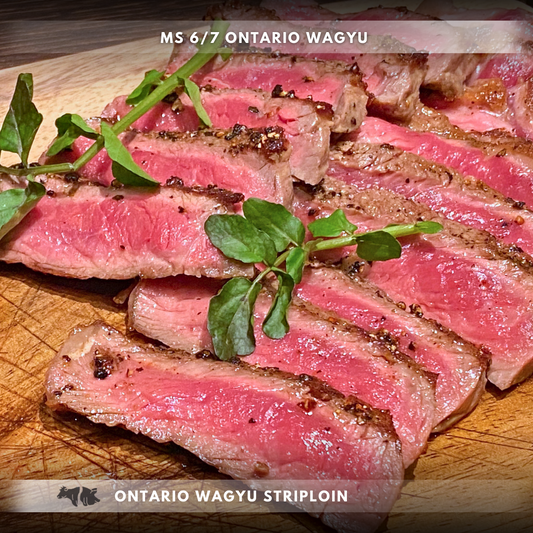
Ontario Wagyu is still a relatively small category compared to Japan and Australia, but it has developed a strong following among Canadian consumers.
Most Ontario Wagyu is not trying to replicate Japanese A5 Wagyu exactly. Instead, many producers focus on creating a balance between traditional beef flavour and Wagyu marbling.
The result is often a steak with more marbling than conventional Canadian beef, but less richness than the highest grades of Japanese Wagyu.
For many consumers, this style of Wagyu provides the best of both worlds: the tenderness and flavour enhancement that comes from increased marbling while still delivering the experience of eating a full steak.
Marbling Is Only Part of the Story
When people discuss Wagyu, marbling usually gets most of the attention. While marbling is important, it is only one factor that influences the eating experience.
Genetics, feed programs, animal management, aging, and processing all contribute to the final flavour and texture. Two Wagyu steaks with similar marbling can still provide noticeably different eating experiences depending on how they were raised and finished.
That is why producers, sourcing practices, and grading systems all matter when comparing Wagyu products.
Choosing the Right Wagyu
Japanese, Australian, and Ontario Wagyu are not necessarily competing products. They simply offer different experiences.
Japanese A5 Wagyu is known for its extraordinary marbling and richness. Australian Wagyu often balances marbling with a more traditional steak texture. Ontario Wagyu typically focuses on combining premium marbling with the flavour profile Canadian consumers expect from a great steak.
Understanding the grading systems behind each product helps explain why two steaks carrying the Wagyu name can look and taste very different.
Explore Premium Canadian Beef
Browse Ottawa Valley Meats' collection of premium Canadian beef, including Wagyu selections, here.