The Flexitarian Meat Eater: Why More Canadians Are Focusing on Meat Quality

For years, conversations about food trends often focused on whether Canadians would continue eating meat or move toward vegetarian and vegan diets.
New research from Dalhousie University's Agri-Food Analytics Lab suggests a different shift is taking place.
The study found that flexitarians, people who still eat meat but do so more selectively, now make up a larger share of Canadians than vegetarians and vegans combined. At the same time, the number of Canadians identifying as unrestricted meat eaters continues to decline.
The data suggests Canadians are not giving up meat. They are becoming more intentional about how they buy it.
What is a flexitarian?
A flexitarian is someone who still eats meat but chooses to do so less frequently.
Instead of centering every meal around meat, flexitarians often mix proteins throughout the week, incorporating vegetables, legumes, seafood, and plant-based meals while still enjoying beef, chicken, pork, and other meats regularly.
The approach is less about restriction and more about balance.
Eating less meat often changes buying habits
One of the most interesting effects of flexitarian eating is how it changes purchasing decisions.
If a household is eating meat five or six times a week, price and convenience often become the primary considerations. But when meat is served less frequently, consumers often place more value on the experience itself.
Rather than focusing on quantity, shoppers may focus on:
- Quality
- Flavour
- Sourcing
- Variety
- Production practices
The question shifts from "How much meat should I buy?" to "What meat do I want to buy?"
Canadians are exploring more protein options
The study also reflects a broader change in consumer behaviour. Many Canadians are becoming more willing to experiment with different proteins and cuts rather than purchasing the same products repeatedly.
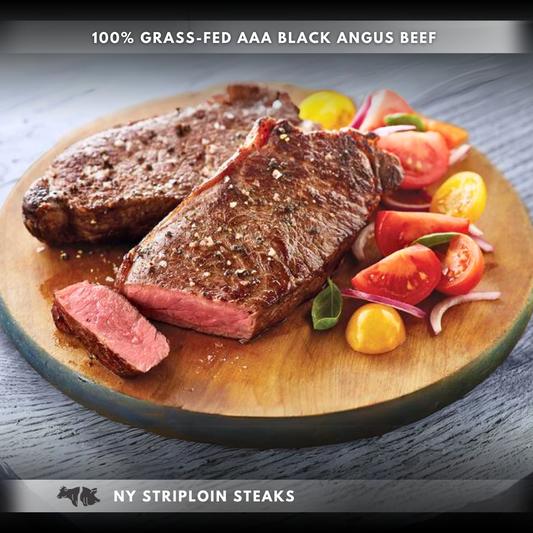
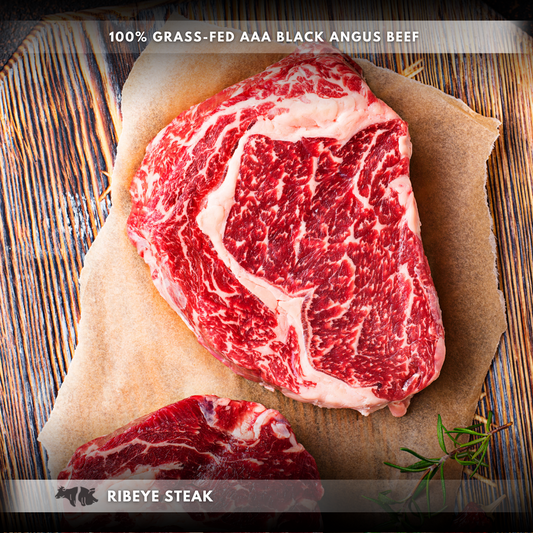
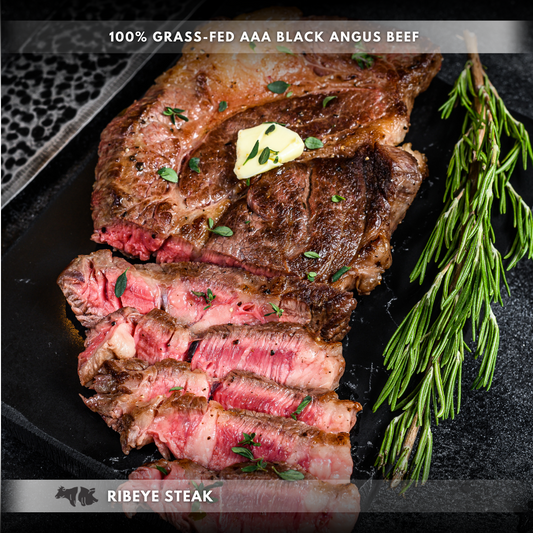
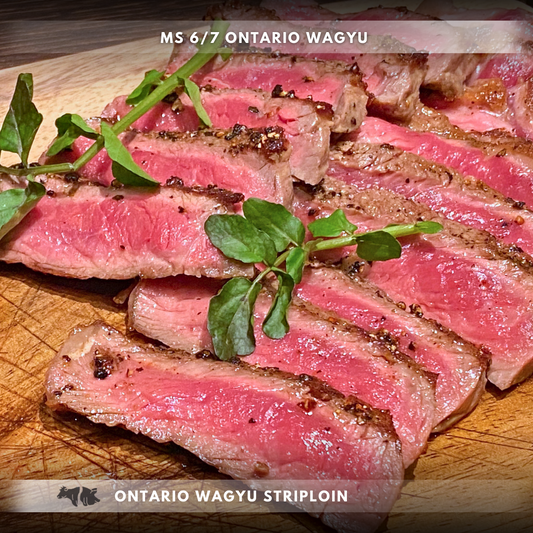
Premium steaks, lamb, duck, turkey, specialty sausages, and slower-cooking cuts are finding their way into more home kitchens as consumers become more intentional about meal planning.
For suppliers, this means customers are often looking for variety rather than simply volume.
What it means for the meat industry
The rise of the flexitarian consumer does not point to a future without meat. Instead, it suggests that meat is becoming a more considered purchase.
Consumers may be buying fewer servings overall, but they are often paying closer attention to where the meat comes from, how it was raised, and whether it delivers a better eating experience.
How Ottawa Valley Meats fits in
Ottawa Valley Meats serves customers who want more control over what they buy and when they buy it. Whether someone is purchasing beef, chicken, pork, lamb, duck, or turkey, the focus is on providing access to Canadian-raised meat that aligns with a more intentional approach to eating.
As the flexitarian trend continues to grow, one thing appears clear: Canadians are not necessarily eating less meat because they value it less. In many cases, they are choosing meat more carefully because they value it more.
Explore Canadian-Raised Meat
Browse Ottawa Valley Meats' selection of beef, chicken, pork, lamb, turkey, and specialty proteins here.
Learn more about OVM's sourcing and approach here.