What Makes a Tomahawk Steak Worth the Price?

Few cuts of beef are as recognizable as a tomahawk. With its oversized ribeye and long exposed bone, it has become a staple of steakhouse menus, backyard barbecues and special-occasion dinners.
It also tends to be one of the more expensive steaks in the meat case. Part of that price comes down to presentation, but a good tomahawk has more going for it than its appearance. The cut, thickness, marbling and quality of the beef all determine whether it lives up to its reputation.
What Exactly Is a Tomahawk Steak?
A tomahawk is essentially a thick-cut, bone-in ribeye with most of the rib bone left intact.
It comes from the rib primal, the same section that gives us ribeye steaks and prime rib roasts. Instead of cutting the bone close to the steak, the butcher leaves a long section attached and cleans, or "frenches," the exposed bone.
That creates the distinctive shape, but underneath the presentation is one of the most prized steak cuts on the animal: the ribeye.
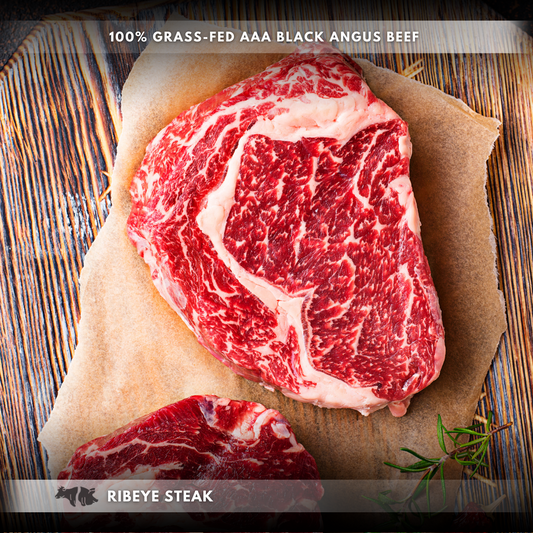
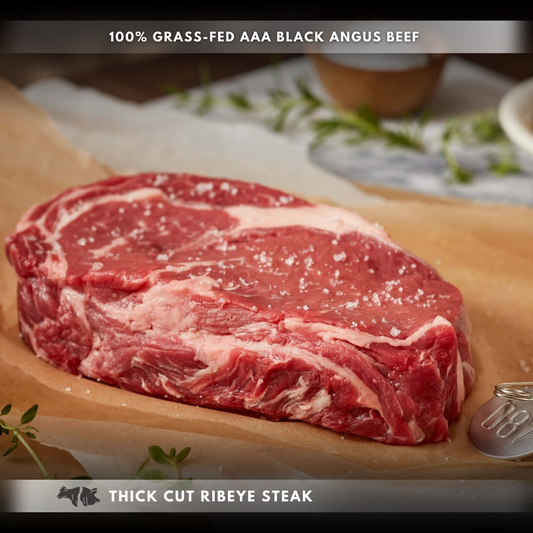
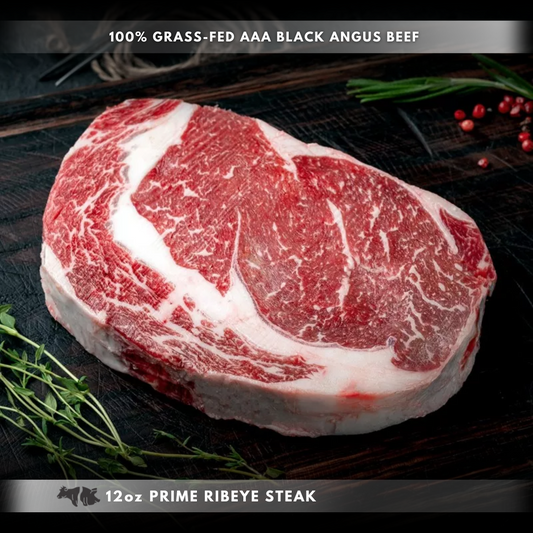
Ribeye is naturally tender and typically carries significant intramuscular fat, or marbling. A tomahawk is also cut particularly thick, creating a substantial steak that can be carved and shared rather than treated as a typical single serving.
Why Are Tomahawk Steaks So Expensive?
The long bone contributes to the price and presentation, but you're also buying a large portion of premium ribeye.
A tomahawk requires a specific style of butchery. Keeping the full rib bone attached means that section isn't simply being portioned into conventional boneless ribeyes, while frenching the exposed bone requires additional trimming.
Size is another major factor. Tomahawks commonly weigh several pounds and can be around two inches thick or more. Instead of comparing the price to a single 10- or 12-ounce steak, it makes more sense to think of a tomahawk as a centrepiece designed to be carved and shared.
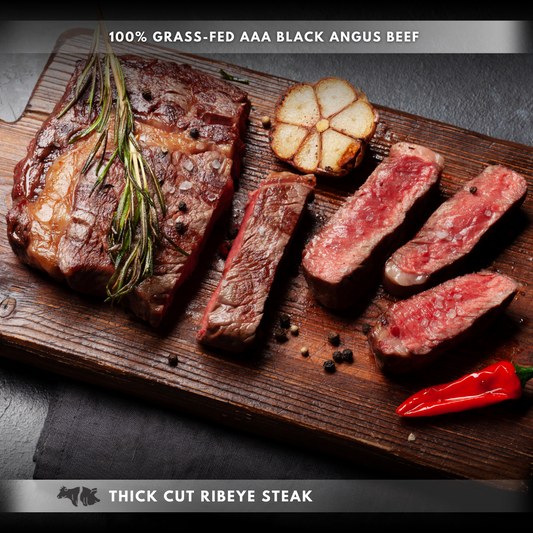
The thickness also changes how the steak can be cooked. Its substantial exterior can develop a deep sear while the centre is brought gradually to the desired temperature, which is why tomahawks are particularly well suited to methods such as reverse searing.
Not Every Tomahawk Is the Same
The shape tells you it's a tomahawk. It doesn't tell you much about the quality of the beef attached to the bone.
Marbling, grade, breed and diet can vary considerably between tomahawks. In Canada, AAA and Prime grades indicate progressively higher levels of marbling, while terms such as grass-fed describe how the cattle were fed rather than the grade of the resulting beef.
The two aren't mutually exclusive. Grass-fed beef can still develop significant marbling and achieve a high Canadian quality grade, particularly when genetics support it. Black Angus cattle, for example, are known for their ability to develop intramuscular fat.
That's an important distinction when comparing tomahawks. An impressive bone may get the steak noticed, but the ribeye itself determines the experience on the plate.
The OVM Tomahawk
Ottawa Valley Meats' tomahawk steaks weigh approximately 2.5 to 3 pounds, making them considerably larger than a conventional individual steak.
OVM's Canadian beef is Black Angus, 100% grass-fed and pasture-raised, and regularly grades AAA or higher, often reaching Canada Prime. The beef is also dry aged for a minimum of 28 days.
Those details are ultimately what separate one tomahawk from another. The long frenched bone creates the signature presentation, but it's the thickness, marbling and quality of the ribeye attached to it that make a tomahawk worth buying.