Canada Prime vs. AAA Beef: What’s the Difference?

AAA is one of the most recognizable labels on Canadian beef, but it isn’t the highest grade available. That distinction belongs to Canada Prime, a grade given to beef that meets the highest marbling standard within Canada’s grading system.
The difference between the two largely comes down to one characteristic: marbling.
How Beef Is Graded in Canada
Canadian beef can receive one of several quality grades, with Canada A, AA, AAA and Prime being the four most familiar to consumers.
The grade isn't simply a general rating of whether a piece of beef is "good" or "bad." Graders evaluate specific characteristics of the carcass, including maturity, meat colour, fat colour, muscling and marbling.
For the higher grades, marbling becomes one of the most noticeable differences.
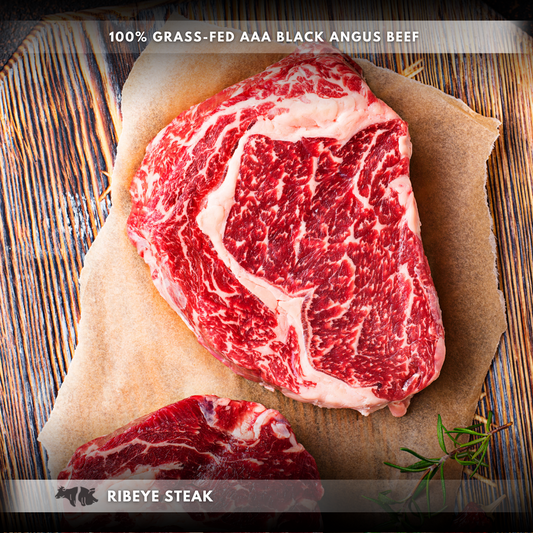
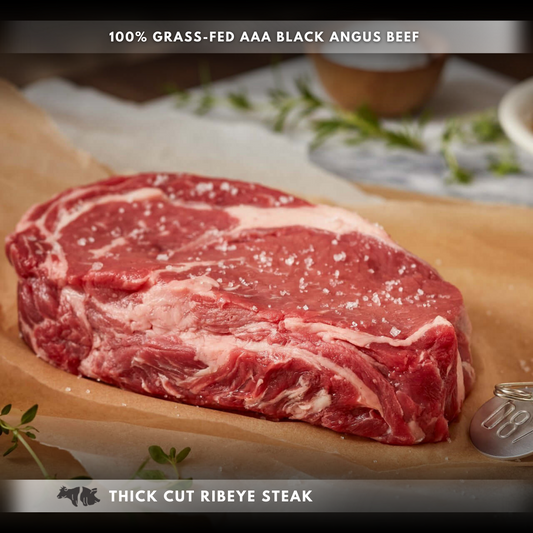
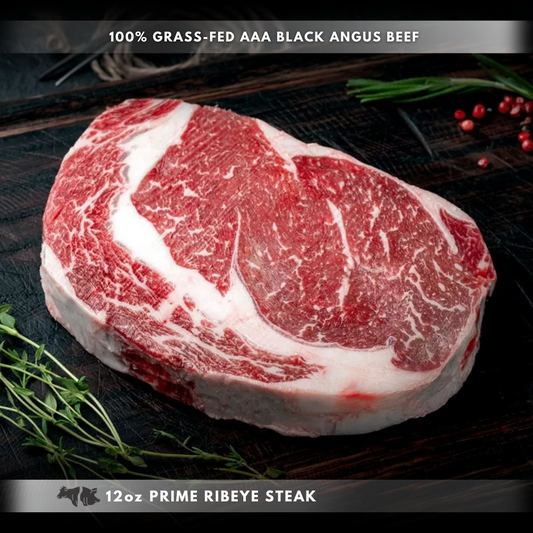
Marbling refers to the small flecks and streaks of fat found within the muscle itself. Unlike the larger pieces of exterior fat that can be trimmed from a steak, intramuscular fat is distributed throughout the meat.
As a steak cooks, that fat contributes to its flavour, juiciness and overall eating experience.
What Is Canada AAA Beef?
Canada AAA is a high-quality Canadian beef grade characterized by a relatively high level of marbling.
It's also a grade many Canadians are already familiar with. AAA beef is commonly found at butcher shops, steak houses and grocery stores and is often associated with premium steaks.
To reach AAA, however, beef has to meet a specific marbling threshold. It isn't simply a label a producer or retailer can choose to put on a steak.
What Is Canada Prime Beef?
Canada Prime is the highest of Canada's four main quality grades.
The primary difference between Prime and AAA is the amount of marbling. Prime beef must display more intramuscular fat than AAA beef while also meeting the other requirements of the grade.
Prime is also considerably less common.
Because only beef meeting that higher marbling standard can qualify, Canada Prime represents a relatively small portion of graded Canadian beef.
Does Prime Automatically Mean a Better Steak?
Not necessarily.
Prime indicates that the beef contains more marbling. Whether that produces a steak you prefer is partly a matter of taste.
Someone looking for a particularly rich, juicy steak may gravitate toward Prime. Someone who prefers a slightly leaner steak may be perfectly happy with AAA.
The cut matters too. A highly marbled Prime sirloin and a AAA ribeye are still two very different steaks because they come from different muscles and naturally have different textures and characteristics.
Grade is useful information, but it's only one part of choosing a steak.
What the Grade Doesn't Tell You
One of the most useful things to understand about Canada's grading system is what isn't included on the label.
Prime or AAA doesn't tell you the breed of cattle. It doesn't tell you whether the animal was grass-fed or grain-finished. It doesn't tell you where the farm is located or how the cattle were raised.
Those are separate characteristics.
This is why two steaks carrying the same grade can still be quite different from one another.
Looking Beyond the Label
Canada's grading system gives shoppers a standardized way to understand certain characteristics of the beef they're buying, particularly marbling.
For shoppers comparing AAA and Prime, the distinction is fairly straightforward: Prime requires a higher level of marbling than AAA.
But grade is only one piece of the picture. Breed, diet, cut, aging and cooking method can all influence what eventually ends up on the plate.
At Ottawa Valley Meats, our Canadian beef regularly grades AAA or higher, and often reaches Canada Prime. But grade is only part of what defines our beef. All OVM beef is Black Angus, 100% grass-fed and locally pasture-raised without added hormones or non-therapeutic antibiotics.