Why Beef Cuts Can Look Different From One Supplier to Another

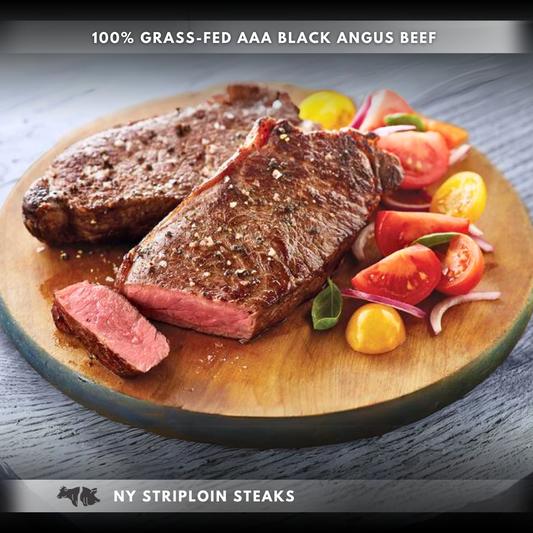
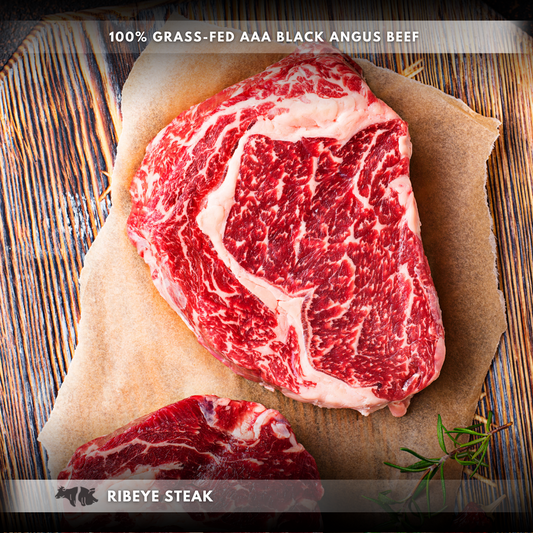
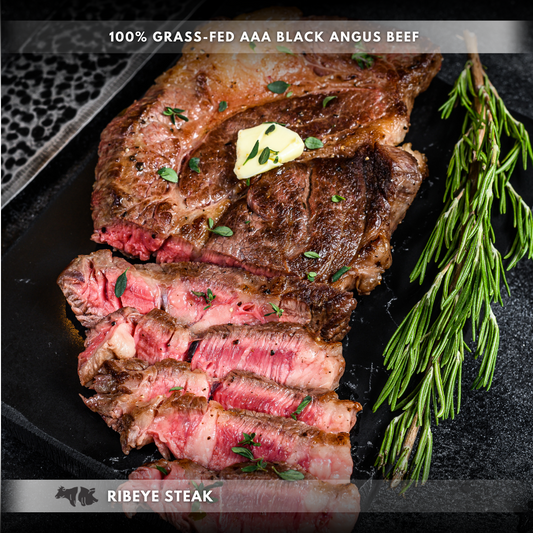
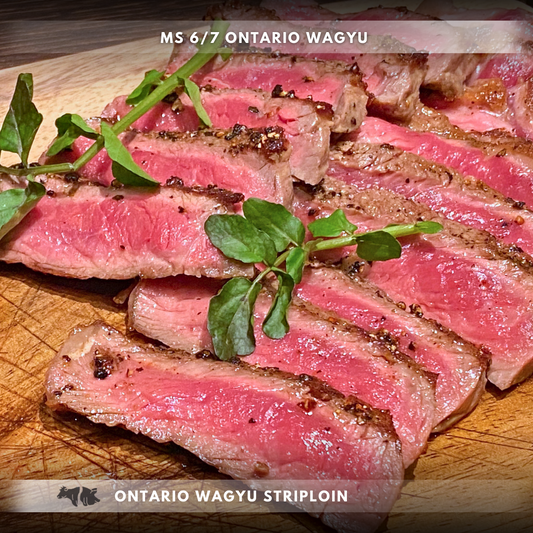
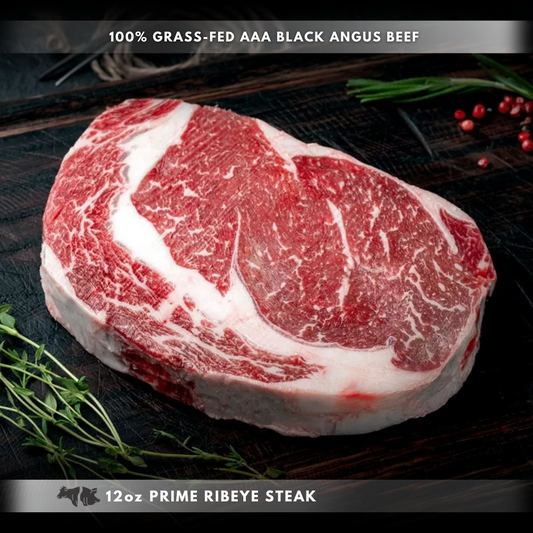
If you’ve ever compared beef from different places, you may have noticed that the cuts don’t always look the same. A striploin from one supplier might appear thicker or leaner than another. A roast may be trimmed differently, or a steak may have more or less visible fat.
This isn’t unusual. Even when two cuts come from the same part of the animal, several factors can influence how the final product looks and performs in the kitchen.
Butchery style and cutting standards
One of the biggest reasons beef cuts vary is the way they are butchered. Processors follow cutting specifications that determine things like steak thickness, fat trimming, and portion size.
Retail systems often standardize cuts so they fit packaging, shelf displays, and pricing structures across hundreds of stores. Independent processors may follow slightly different standards depending on their equipment, the preferences of the supplier, or the type of animal being processed.
Small changes in trimming or portioning can make two steaks from the same primal cut look noticeably different.
Natural variation in the animal
Beef is not a uniform product. Each animal is slightly different, and that variation shows up in the final cuts.
Factors such as breed, feeding program, age, and how the animal developed muscle all influence the shape of the primal cuts before they are portioned. Even skilled butchers working from the same specifications will produce steaks that vary slightly in shape or fat distribution.
This natural variation is part of working with whole animals rather than fully standardized products.
Fat trimming and presentation
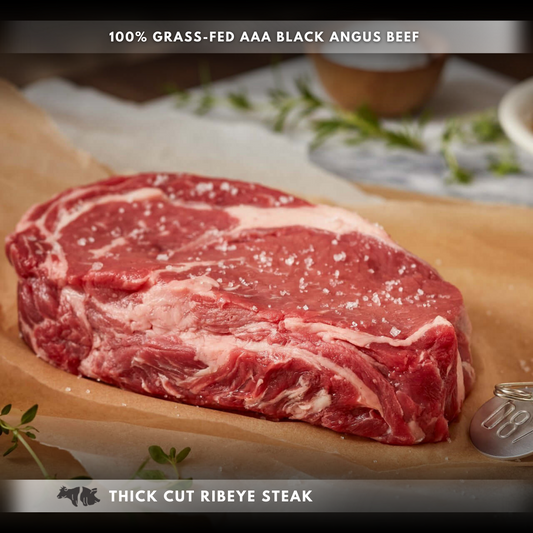
Another difference customers often notice is how much exterior fat is trimmed from a cut.
Some suppliers remove most visible fat to create a leaner-looking product. Others leave a thin fat cap, which can help protect the meat during cooking and contribute flavour.
Neither approach is necessarily right or wrong, but it changes the appearance of the final cut and sometimes how it cooks.
Aging and preparation
How long beef is aged before cutting can also affect its appearance. Aging allows natural enzymes in the meat to break down muscle fibers, which improves tenderness and flavour.
During this process, the exterior of the meat can darken slightly before it is trimmed and portioned. After trimming, the final steaks may appear slightly different depending on how long the aging period was and how the processor prepares the cut.
Consistency through sourcing
Because cattle, farms, and processors all influence the final product, beef can vary when it is sourced from many different suppliers.
Ottawa Valley Meats works with a smaller group of farms and processors across the Ottawa Valley, which helps maintain more consistent cutting standards and preparation methods. While natural variation still exists — as it does with any agricultural product — the goal is to keep the overall experience predictable from order to order.
Understanding what you see
Differences in appearance don’t necessarily mean one cut of beef is better than another. Often they simply reflect the choices made during farming, processing, and butchery.
Understanding those factors helps explain why beef from different suppliers can look slightly different, even when it comes from the same part of the animal.
Explore our collection of Black Angus 100% Grass-fed beef, or learn more about our farms and sourcing.